Golf is a sport of pauses. Between tee times, weather delays, off-weeks, and the long stretches when nobody is hitting a shot worth watching, the modern golf supporter spends a surprising amount of time waiting. The good news is that the waiting has gotten a lot more interesting. Second-screen tools, fantasy formats, and a steady drip of strategy-based entertainment have turned the dead air into something fans actively enjoy. It is a period for reflection on great seasons, such as when Justin Rose won the FedExCup, proving that patience in golf always pays off. Here is a closer look at how those quiet hours actually get filled.
The Long Pauses Built Into a Golf Year
Unlike basketball or hockey, golf doesn’t run on a tight weekly rhythm. The PGA Tour schedule has dead weeks, regional swings, and stretches where the only action is a secondary event on a different continent. Add in weather suspensions that can stall a round for hours, plus the natural gap between morning and afternoon waves, and the sport produces more downtime than almost any other on the calendar.
Even during a tournament weekend, the active viewing window is narrow. A four-day event might run twenty hours of broadcast coverage, but committed fans spend far more time around the sport than in front of it. That gap is where habits form. Whether it’s a Tuesday with nothing on the schedule or a Sunday rain delay at Pebble Beach, supporters have learned to fill the space with something that still feels connected to the game.
Second-Screen Habits Around Tournament Coverage
The biggest shift in how fans consume golf has been the second screen. Live leaderboards, shot-tracker apps, and the chatter on social platforms now run in parallel with the broadcast. Fans often dive into deeper betting analytics during these gaps, looking at specific PGA Championship prop bets to find an edge.
Fantasy golf and weekly pick’em pools have layered another habit on top of all that. Fans now follow players they would otherwise ignore, simply because someone on the bubble of their lineup is grinding to make the cut. Common second-screen activities during a tournament weekend include:
- Tracking a personal fantasy lineup across multiple players
- Running a pick’em pool with friends or coworkers
- Following shot-by-shot data on featured groups
- Reading reaction threads during dramatic moments
- Checking live odds as leaderboards shift on the back nine
The result is a much more engaged fan, even when the on-course action is slow. The leaderboard becomes a story you have a stake in.
Travel Days and the Boutique-Entertainment Window
Travel days are their own category of downtime. Airport waits, layovers, and hotel evenings during work trips create long windows that don’t really suit a four-hour live stream. Fans want something lighter, something that fits a session of twenty or thirty minutes. This downtime is perfect for catching up on industry news, like when Justin Rose signed a multi-year deal with Honma
or his style evolution with the Bonobos partnership.
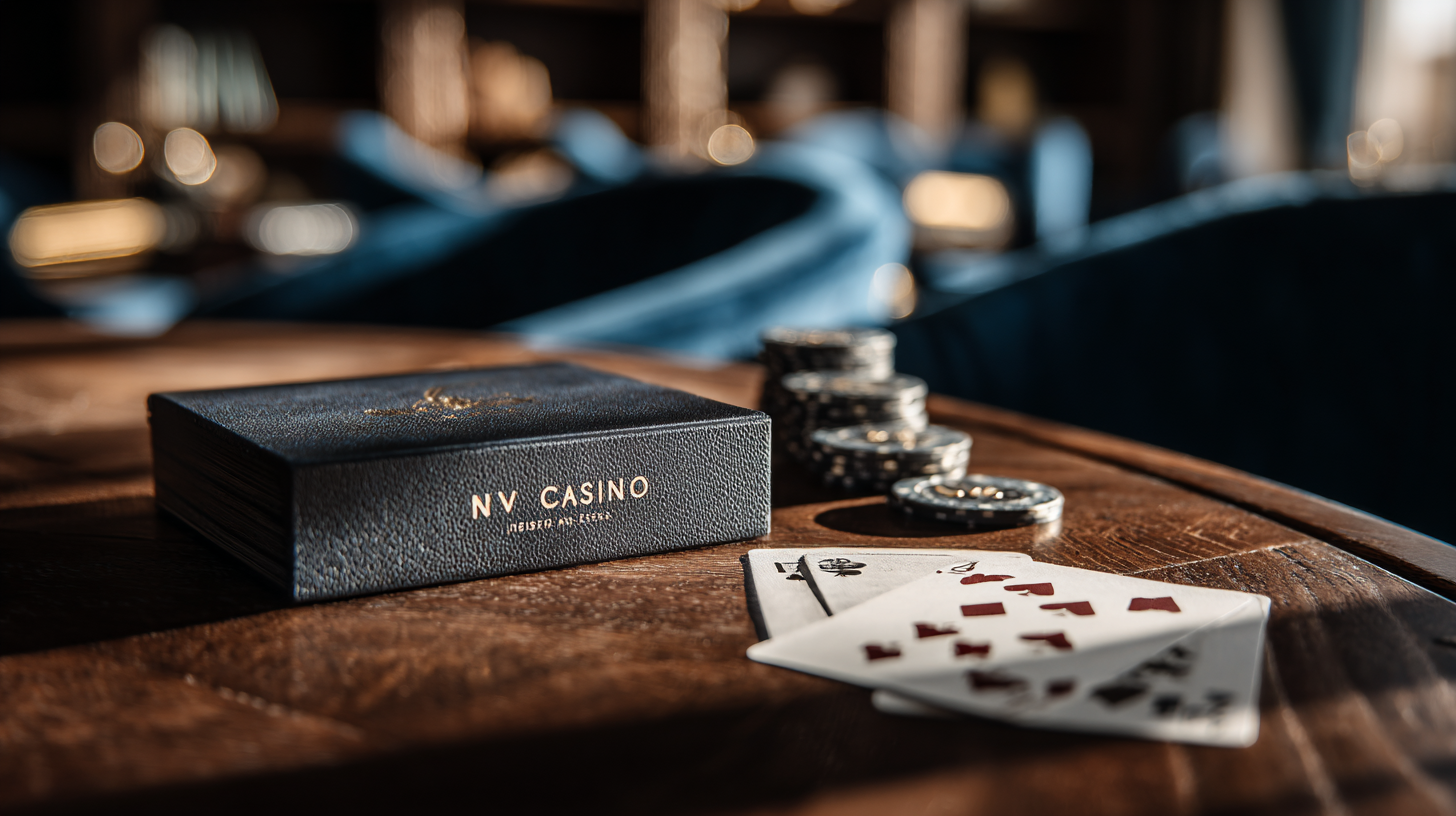
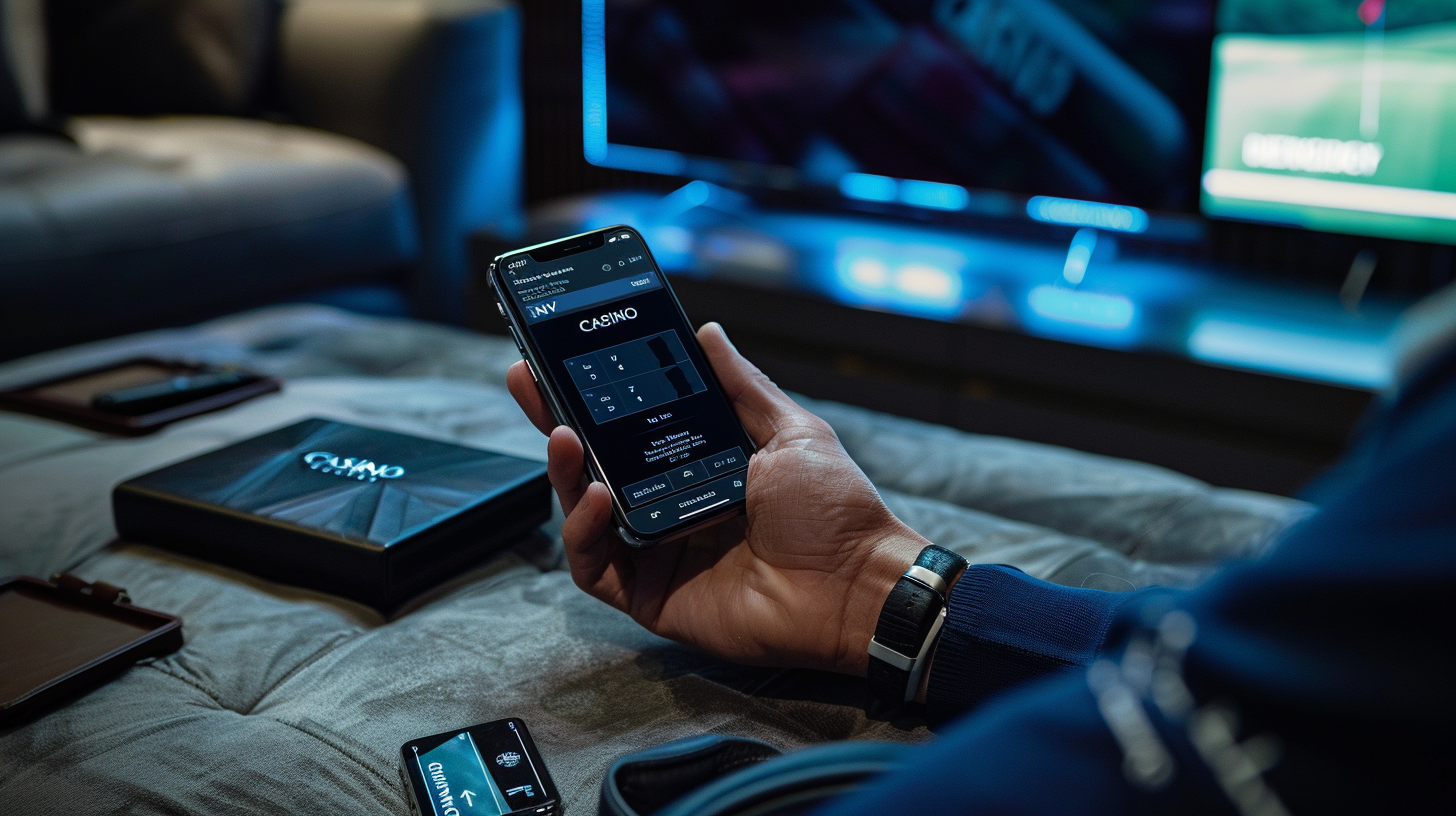
Hotel evenings in particular tend to drag. The room service tray is cleared, the early rounds are over, and the next tee time is still twelve hours away. For fans who want to combine that downtime with low-stakes entertainment, NV Casino offers a roster of card and table games that mirror the strategy thinking many golf followers already enjoy. Sessions tend to be short, around fifteen to thirty minutes, which fits the rhythm of a travel evening better than a long-form stream. And the decision-making style carries over naturally from how golf fans already think about the sport. Reading a lie, choosing a club, weighing risk against reward on a par five, these are all the same cognitive moves that show up at a card table. The transition feels less like switching activities and more like staying in the same mental mode.
Strategy Games as a Mental Carryover From Course Management
Course management is, at its core, a series of risk-and-reward decisions made under pressure. You might spend your downtime studying the definitive guide to playing from the rough to sharpen your mental game. Every shot is a small probability problem solved in real time.
That decision lattice shows up in a lot of other places. Blackjack rewards the same instinct for knowing when to push and when to hold. Poker is essentially course management with people instead of bunkers. Chess shares the same horizon-scanning logic that good players use when planning two shots ahead. Fans who enjoy thinking through a round tend to enjoy these games for the same reason. The selection at NV Casino leans heavily on this kind of probability-based decision making, which is part of why it connects with sports-minded users. The mental muscle is already trained. The setting just changes.
Common Downtime Activities for Golf Fans
Not every activity fits every gap. A three-hour weather delay calls for something different than a fifteen-minute layover. Here is how the most common options stack up across the dimensions golf fans actually care about, with NV Casino sitting in the strategy card row alongside the other table-based picks.
| Activity | Time per session | Brain engagement | Travel-friendly |
| Fantasy leaderboard | 5-10 min | Low-medium | Yes |
| Strategy card games | 20-45 min | Medium-high | Yes |
| Golf documentary | 60-90 min | Low | Partial |
| Live tour stream | 3-5 hr | Low | Yes |
| Indoor simulator | 30-60 min | High | No |
The pattern is clear. The activities that travel well and engage the brain are also the ones that fit best into the irregular shape of a golf fan’s week. A live stream is great when you’re parked on the couch for a Sunday final round, but the rest of the time, shorter and sharper options carry the load. That is why the modern supporter spreads attention across a small toolkit rather than relying on the broadcast alone.