
Anyone who follows professional golf closely knows the strange quiet that settles in once the FedEx Cup wraps and the Ryder Cup or Presidents Cup come-down fades. It’s a transition that marks the end of an era, much like when veterans like Justin Rose win the FedExCup after a grueling season. December and January turn into dead weeks, with only a handful of Silly Season events and limited-field exhibitions to keep the feed moving. The DP World Tour offers some early-season starts in the Middle East, but the rhythm fans grew used to from April through September simply is not there.
The disconnect runs deeper than scheduling. Players treat the off-season as recovery, equipment testing, and family time. Supporters, on the other hand, are still wired for Sunday afternoons in front of the broadcast. That gap between the player’s calendar and the fan’s calendar is exactly what these habits help bridge.
Seven Habits Worth Building Before the New Season
The trick is to treat the winter as preparation rather than a waiting room. The seven habits below cover study, practice, planning, and a bit of strategic entertainment, so the spark stays lit until Kapalua kicks things off in January.
- Re-watch the year’s defining rounds. Pick three Sunday back-nines from the past season and study them shot by shot. ou can dive deep into course strategy by reading analyses like The Fried Egg’s breakdown of Augusta National’s 15th hole. Pause on club selections, wind reads, and the moments where leaders either pressed or protected. You will see things live coverage never had time to explain.
- Book indoor simulator time. A weekly hour on TrackMan or Foresight keeps the swing alive through winter and gives you data to review. Many ranges run off-season memberships at a discount, so the cost per session drops noticeably from November through February.
- Plan one bucket-list golf trip. Bandon Dunes, the Sandbelt, Ireland’s southwest coast, the research alone is half the fun. Build a rough itinerary, price out the courses, and bookmark the tee-time windows. Booking can wait until spring, but the dreaming starts now.
- Run a fantasy mock for next season. Sharpen your picks before they count. Mock drafts force you to weigh form, course fit, and travel schedules in a way casual fans never bother with, and the muscle memory pays off when real money or league pride is on the line.
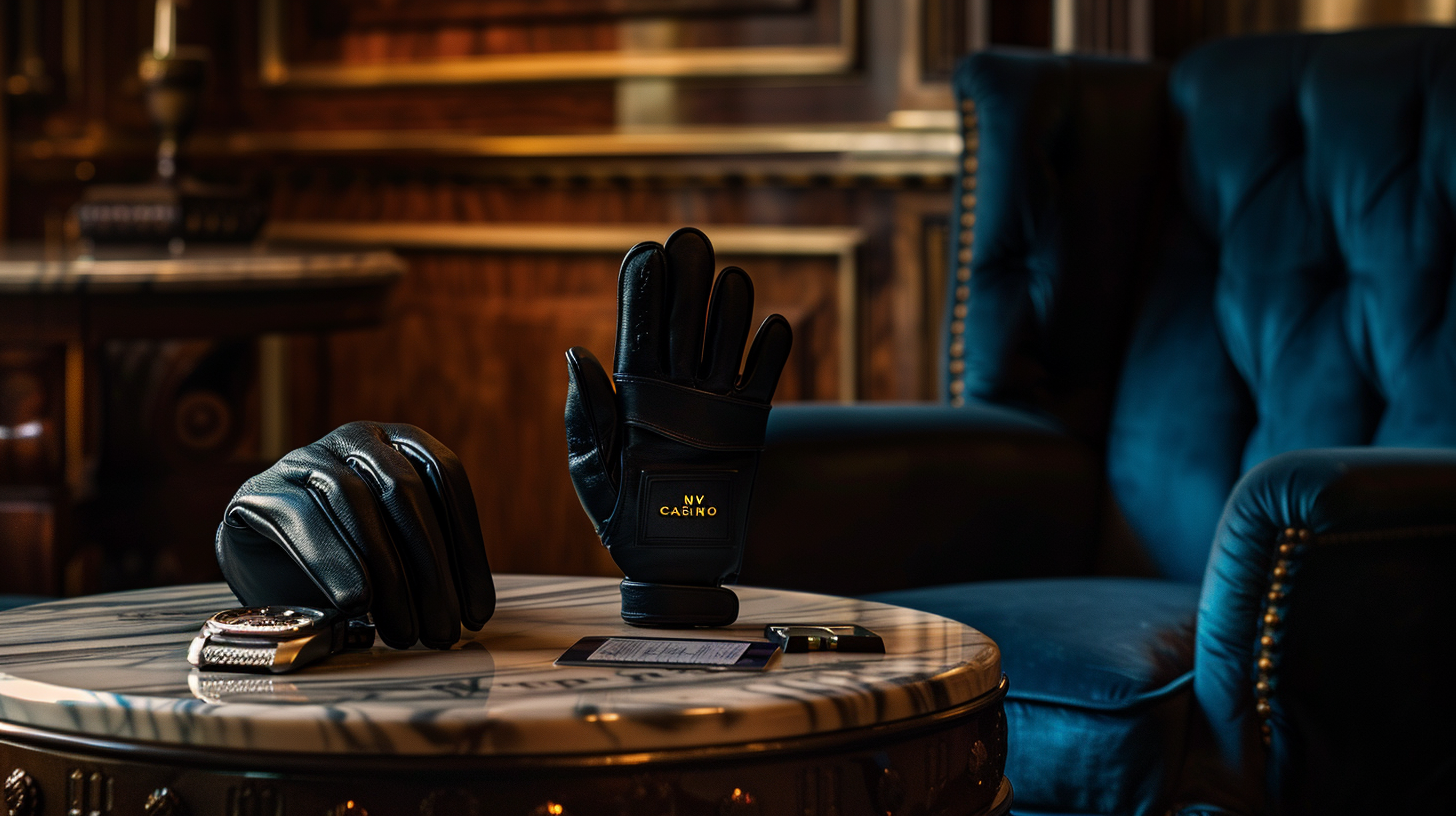
- Try a strategy-driven card session. For fans who enjoy the same decision-making rhythm that golf demands, NV Casino offers blackjack and poker tables that scratch a similar itch on a quieter scale. The pace is different, but the mental work, reading situations, managing risk, knowing when to push, feels familiar.
- Read one golf-history book. Curt Sampson on Hogan, Mark Frost on the 1913 US Open, or Alan Shipnuck on the modern era. To understand the current landscape, it helps to read long-form pieces like No Laying Up’s essay on how golf changed forever. Context fills in everything highlight reels skip and changes how you watch the next major.
- Spend an hour on the short game at home. A putting mat, a chipping net, and a small patch of carpet are all it takes. Twenty minutes a few nights a week through January and February shows up in your scores by April.
How to Sequence These Habits Across a Quiet Winter
Trying all seven at once is the fastest way to drop all seven by mid-January. A better approach is a weekly rhythm that rotates between categories so nothing feels like a chore.
A practical split looks like one mental task, one physical task, and one entertainment slot per week. Mental might be the round re-watch on Sunday morning with coffee, or thirty minutes of trip research on a Tuesday evening. Physical covers the simulator booking or the at-home short-game work. The entertainment slot is where things stay loose, a fantasy mock, a chapter from a golf book, or an evening of strategy card play at home or somewhere like NV Casino if you want the social atmosphere.
The point is sustainability. Two productive habits a week through December and January add up to roughly sixteen sessions before Kapalua. That is real preparation, not box-checking.
What Tour Pros Reportedly Do in the Off-Season
Public interviews and player podcasts paint a fairly consistent picture. Most pros take two or three full weeks completely off the clubs, travel with family, and only start ramping practice back up in early December. This is also the prime time for major business moves and sponsorship shifts; for instance, we’ve seen major stars like Justin Rose sign multi-year deals with Honma or explore new apparel partnerships like Rose’s collaboration with Bonobos.
Justin Thomas has spoken about hunting trips with friends. Rory McIlroy splits time between Florida and Northern Ireland. Scottie Scheffler famously keeps things simple—more time at home, lighter range sessions, equipment fine-tuning rather than swing overhauls.
The lesson for fans is that even the best in the world treat winter as recharge first, sharpening second. Borrowing that template means giving yourself permission to step back from the daily golf news cycle for a stretch, then easing back in with intent. Constant low-grade engagement burns supporters out faster than a clean break followed by a focused return.
Habits Ranked by Effort and Reward
The seven habits vary widely in time commitment, cost, and how much they actually move the needle on staying connected to the game. The table below sorts them so you can pick the mix that fits your winter, whether that means leaning into low-cost study or splurging on simulator hours.
| Habit | Time/week | Cost | Engagement |
| Round re-watch | 2-3 hr | Free | Medium |
| Simulator session | 1-2 hr | High | High |
| Trip planning | 30-60 min | Free | High |
| Fantasy mock | 30 min | Free | Medium |
| Strategy card games | 1-2 hr | Variable | Medium |
| Golf-history reading | 2-3 hr | Low | Medium |
| Short-game drills | 30-60 min | Low | High |
The strategy card games row is worth a quick note. Cost is variable because it ranges from free home play to whatever stake level you set at a venue like NV Casino, and engagement lands at medium because it scratches the strategic itch without pretending to replace golf itself. Short-game drills and trip planning carry the highest reward-to-effort ratio for most fans, which is why they earn the top tier in any sensible winter rotation.